Start here
Most people find us at about four months postpartum, standing in a bathroom holding more hair than they expected. If that's you: it's almost certainly normal, it has a name, and it ends.
Here's the plain version, and the longer reads underneath.
You're not losing your hair. You're losing the hair pregnancy lent you.
The hair guide
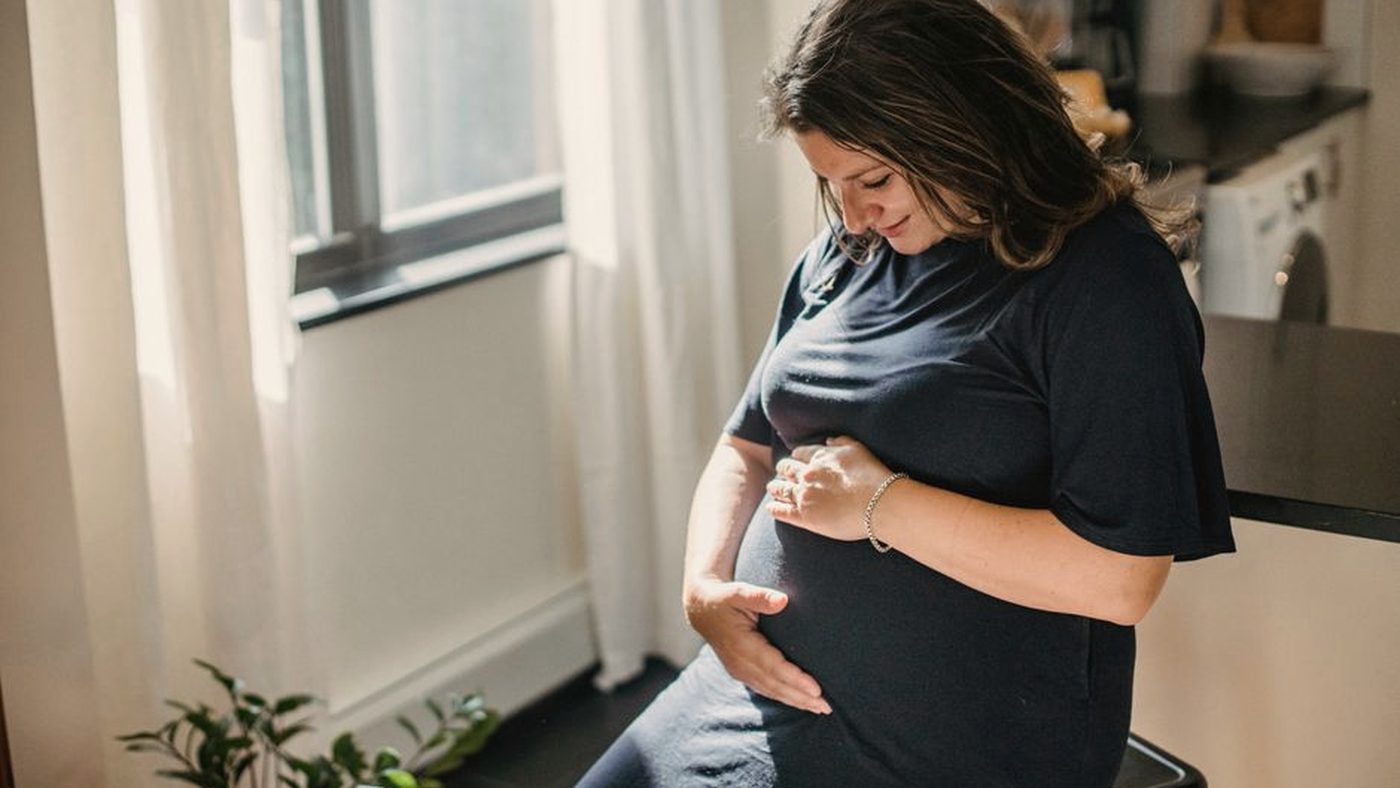 Start hereWhat actually happens to your hair from pregnancy to 18 months postpartum
 PregnancyWhy does my hair feel thicker in pregnancy?
 PregnancyDo I need to change my hair care while pregnant?
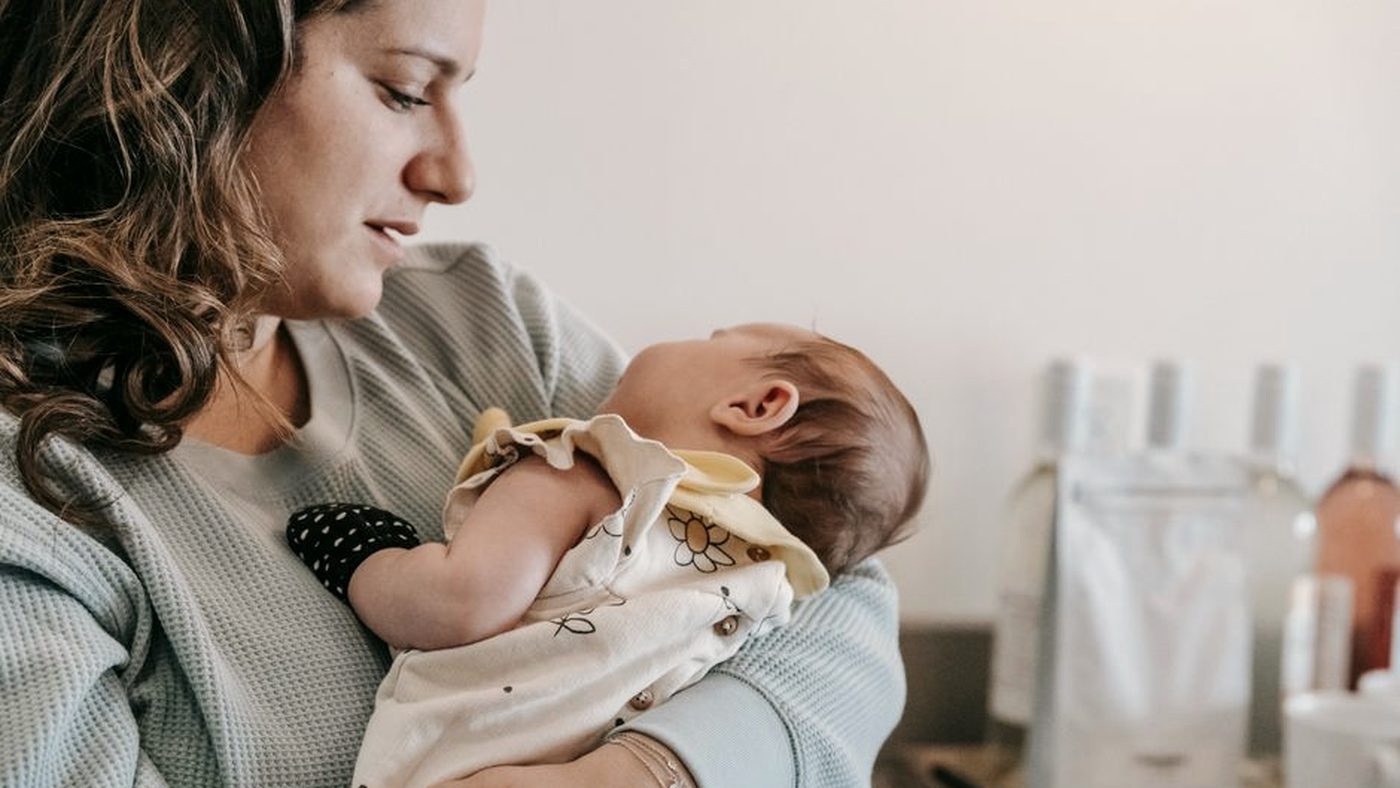 PregnancyWhat happens to my hair after birth — and when?
 PregnancyWhy is my scalp suddenly oily, itchy or sensitive in pregnancy?
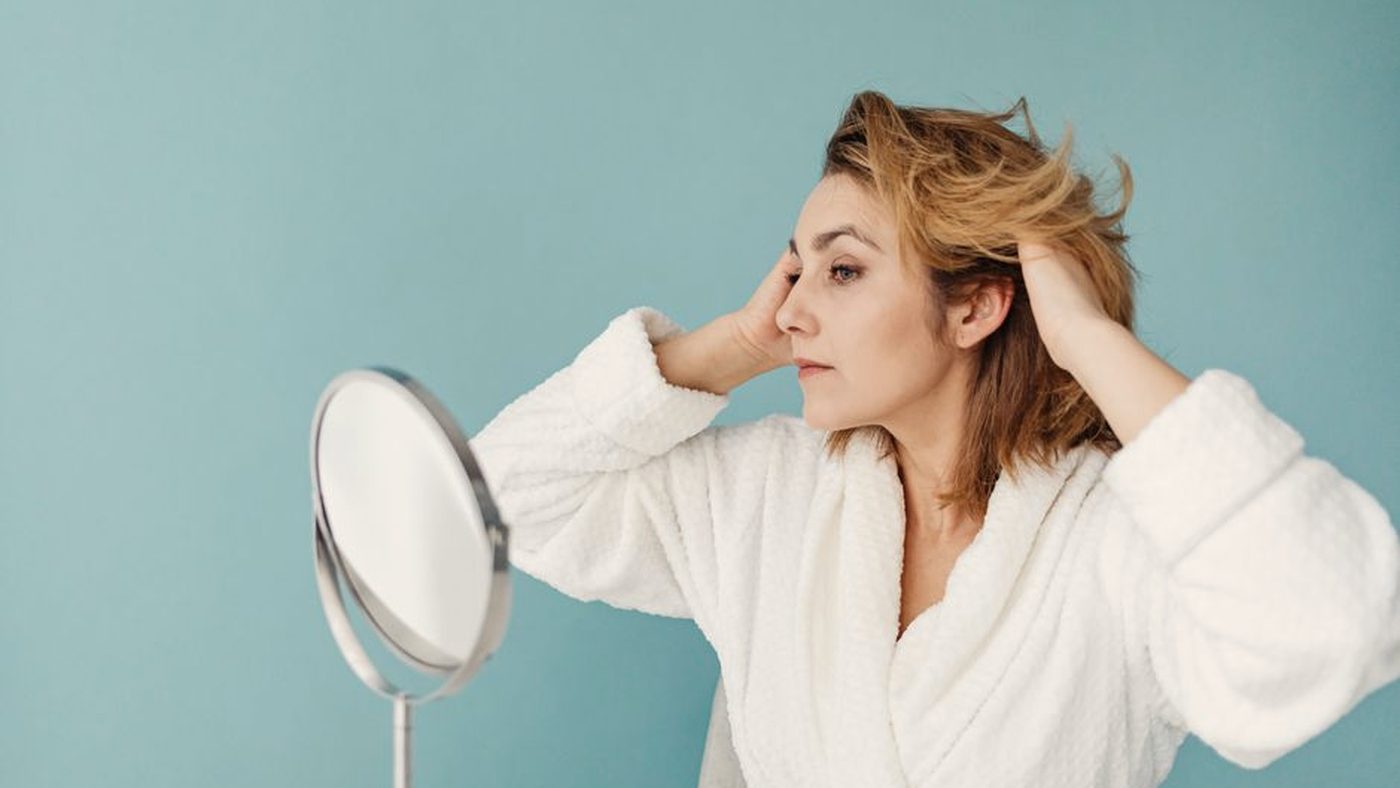 PregnancyMy hair got worse in pregnancy — is that normal too?
Why this guide exists
Hair change through pregnancy and the year after birth is one of the most common experiences women have, and one of the least well explained. What's written about it tends to be too thin to act on, written for clinicians, or attached to something for sale.
This is the plain-English version: what's happening, when it typically starts and settles, and what's worth doing while it does. There's nothing to buy here.
Two things worth knowing up front.
It follows a known course. Postpartum shedding has a name, a recognised timeline and a well-described cause. For most women it begins around two to four months after birth, is heaviest near month four, and settles within the first year.
A good routine genuinely helps — and it's worth knowing what it helps with. The shed is driven by hormones and keeps its own schedule. What careful handling does is protect the hair you still have: a large share of what collects in the brush is breakage rather than shedding, and breakage responds directly to how hair is washed, detangled, dried and tied up. Getting that right means less damage on top of the shed, and less damage to the new hair coming through behind it.